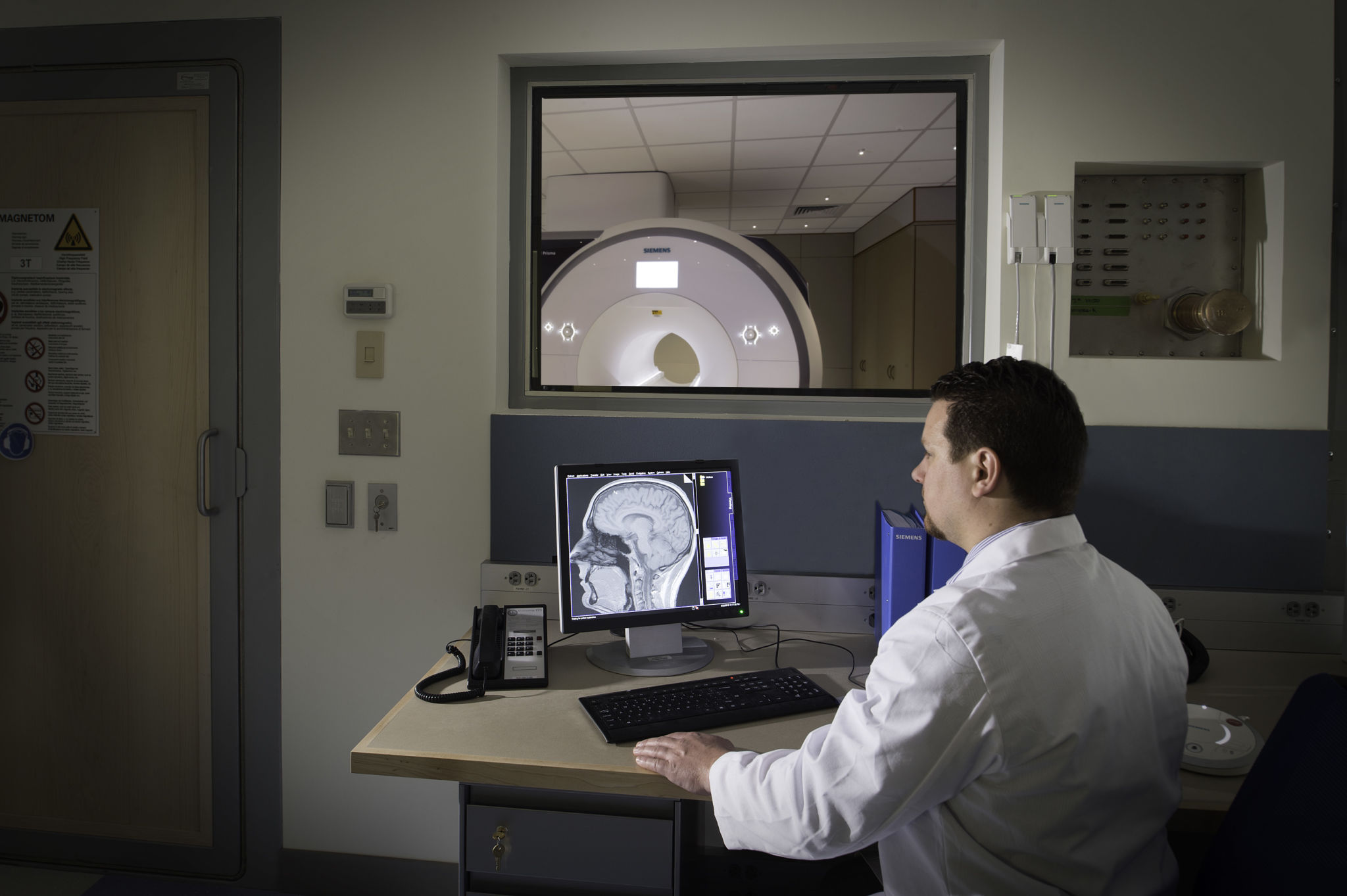
Severe brain trauma from accident or injury can lead to patients ending up in a persistent vegetative state in hospital. The lights may be on, but often it seems that no one is home.

Severe brain trauma from accident or injury can lead to patients ending up in a persistent vegetative state in hospital. The lights may be on, but often it seems that no one is home.
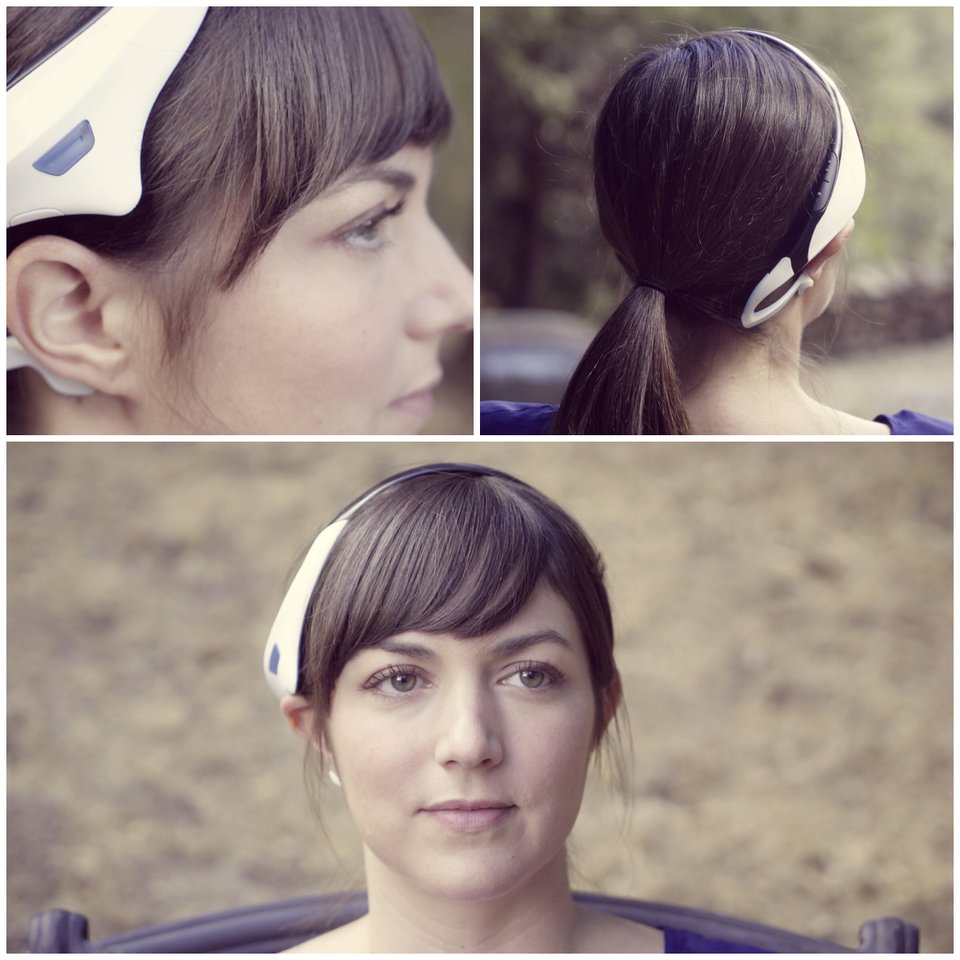
Being on the large side, means I always take a keen interest in the latest diet fads and technologies to see if there is an easy way to shed some of the excess pounds. Of course, I could simply eat less and move more but that sounds very dull and not at all interesting, so I have been quite successful at ignoring that option and waiting for the ultimate diet to come along.

On Monday the 21st August, the Moon will line up between the Earth and the Sun creating a solar eclipse. Unlike other total solar eclipses in recent years which have been hard to get to, totality for this eclipse is visible from mainland USA and so will generate significant media coverage.
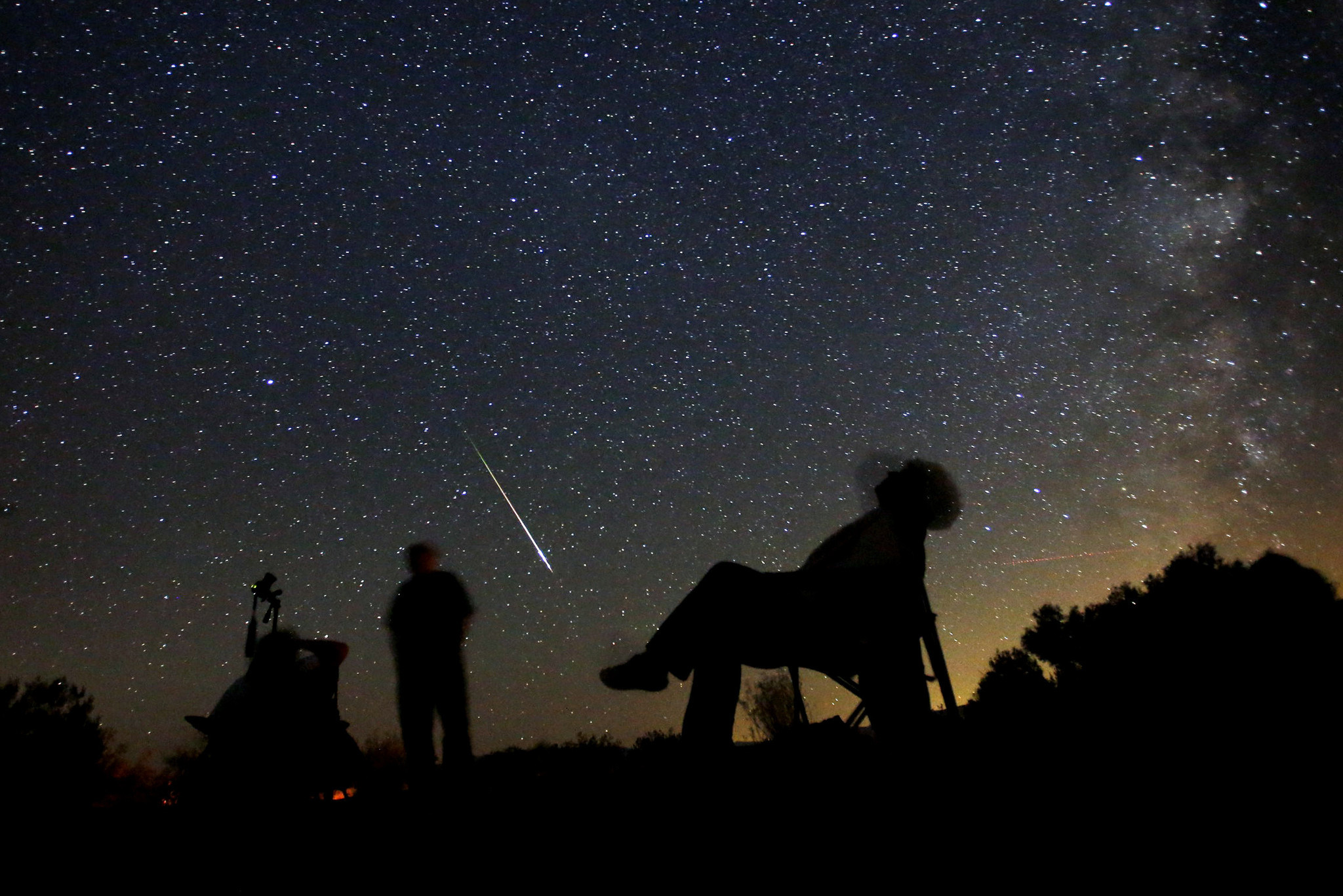
Every day the earth is bombarded from space with millions of pieces of sand, dust and specks of rocks. When these pieces of debris hit our atmosphere at speeds in excess of 50 km/second they burn up and can be seen as spectacular streaks across the night sky. These are shooting stars and are visible every night if the sky is clear. However, there are certain times of the year when the Earth passes through a cloud of dust and debris and creates many more shooting stars.

48 years ago this July, Apollo 11 blasted off on it’s three day journey to the moon. On July 21st 1969 Neil Armstrong became the first human to step foot on the moon. Mankind looked on in awe. It was the dawn of a new era, heralding in what was to be a fantastic voyage of discovery that started with the moon, moved to Mars and beyond and eventually further into our solar system and perhaps even journeying to neighbouring star systems.